
Know your grain
Meet the rice behind the name
A closer look at kalanamak rice, from its dark husk to the first fragrant spoonful.
Sidhartha’s Journal4 min read
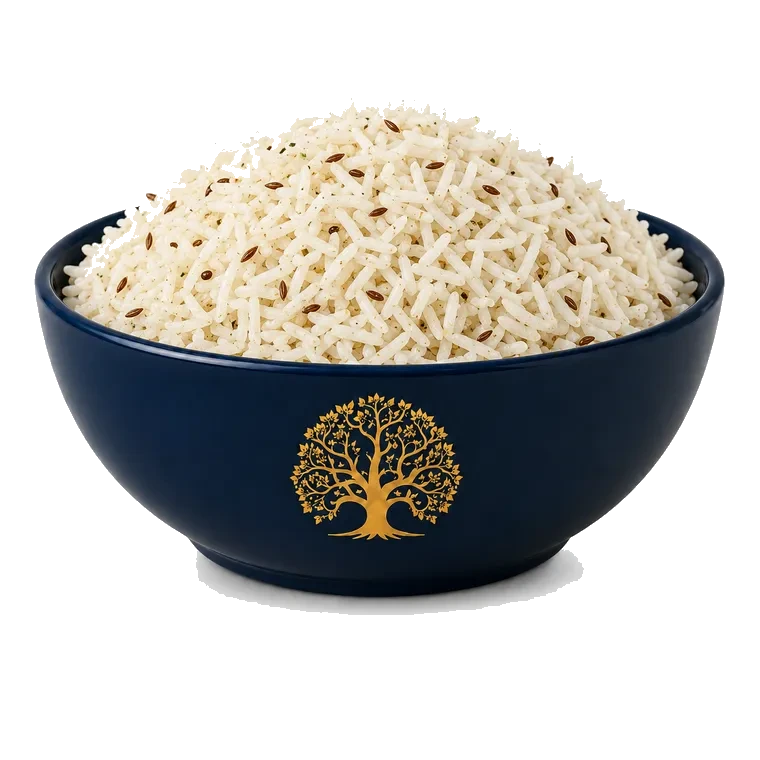
Before I tell you where kalanamak rice comes from, let me ask you to picture a handful of rice. You may be imagining long white grains pouring into a measuring cup. Perhaps you can already hear the water running as you rinse them. Most of us know that part of the story. Far fewer of us have seen rice while it is still paddy, wearing the husk in which it grew.
That is where this name begins.
“Kala” means black. In kalanamak rice, it points to the grain’s dark husk. The rice you cook need not look black at all: once the paddy is dehusked and prepared for the kitchen, the grain looks quite different from its field-grown form. The name is a reminder that a food can carry a clue to its life before the packet. And despite the word “namak,” we are talking about a variety of rice, not a flavoured or salted rice.
A grain with a home
Kalanamak rice is an aromatic rice associated with the Terai belt of eastern Uttar Pradesh, particularly Siddharthnagar and neighbouring areas. The region’s relationship with this grain is part of its agricultural identity. Kalanamak rice has a registered geographical indication, or GI, recognising its connection to place. A GI tells us something meaningful about a product’s origin and reputation; it is not a shortcut for deciding the quality or nutritional value of every packet on a shelf.
I like to think of that distinction whenever someone asks what makes this rice special. Its history belongs to a landscape and the people who have cultivated it. The rice in your saucepan is also something immediate and personal: you still need to see how it cooks, smell it as the lid lifts and decide whether you want another spoonful.
What makes it different?
If Basmati is the rice you know best, begin with curiosity rather than a contest. Both can be aromatic, but aromatic rice is not one uniform category. Different varieties offer different grain shapes, textures and fragrance profiles. kalanamak rice is known for a natural aroma and a soft cooked texture. The best comparison is the one you make at your own table: prepare it simply, taste it before the curry arrives, and notice what it brings to the meal.
If you are choosing a pack for the first time, start with the information the seller can actually give you. Where was it sourced? What form of rice is inside? How should you cook it? A photograph of a field and a lovely story can invite you in, but clear answers help you decide whether to bring the grain home. Once you have cooked it, your own senses become part of that knowledge.
That aroma is often the first thing people remember. It may reach the next room before anyone announces dinner. Then comes the grain itself, which can be enjoyed with dal and vegetables, folded into a comforting khichdi or given room to speak on its own. You do not have to reserve it for a celebration. Sometimes a weekday meal is the best way to understand rice.
Why Sidhartha chose to begin here
Rice is already part of so many Indian homes. We did not need to persuade anyone that rice belongs at the table. We wanted to invite a different question: how often do we stop to know the grain we eat so regularly? kalanamak rice gave us a place to start because it offers a story you can trace, a character you can smell, and a cooking experience you can discover for yourself.
At Sidhartha, we want that discovery to feel easy. We can talk about the region without turning it into a museum label. We can share the tradition without treating every tale as a proven historical event. We can explain what research asks about rice without assuming one study describes every harvest or every pack. Most of all, we can help you cook something delicious tonight.
When you next hold a handful of kalanamak rice, look at it for a moment before it goes into the pot. Its name remembers a dark husk. Its aroma will soon fill your kitchen. Between those two moments lies a whole journey from field to table.
That is why I call it a grain worth knowing. Now, shall we put the water on?