
Know your grain
Why does kalanamak rice smell so good?
The science and the small everyday magic behind an aromatic rice.
Sidhartha’s Journal4 min read
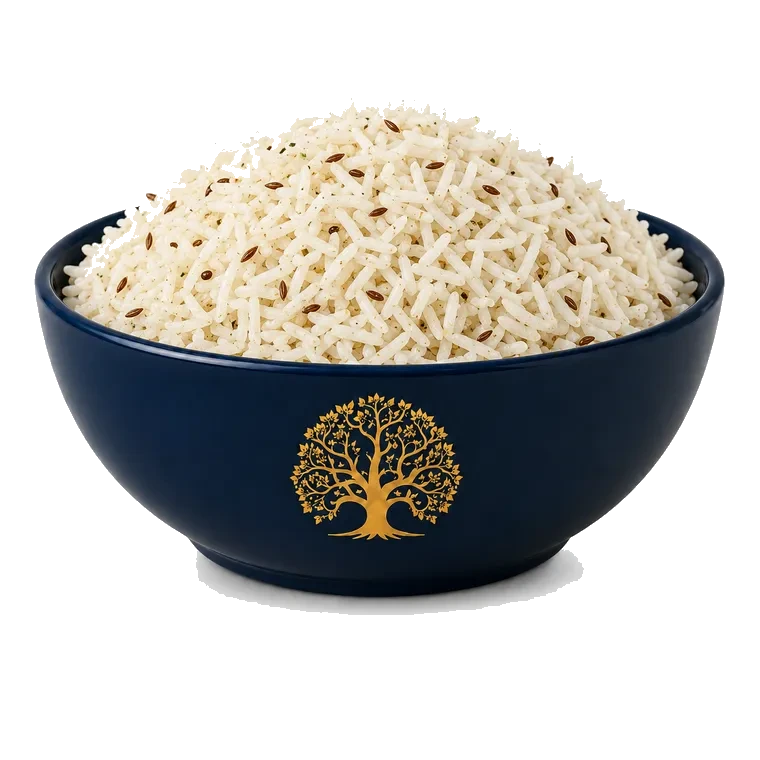
You know the moment. The lid is still on the pot, yet someone appears at the kitchen door and asks, “What are you making?” No announcement was needed. The rice got there first.
For many people, that is their introduction to kalanamak rice. Its aroma is not a garnish added at the end or a flavour poured over the grain. Fragrance is part of the rice’s own character. Cooking brings it into the room, turning a familiar task into something you notice.
What your nose is noticing
Food aromas come from tiny airborne compounds that reach us as ingredients are handled and heated. In aromatic rice, one important compound is called 2-acetyl-1-pyrroline, or 2-AP. You do not need to remember its name to enjoy your lunch. The useful thing to know is that scientists have studied it in several fragrant rice varieties, including kalanamak rice types.
In one study of traditional and improved Indian rices, researchers measured aroma compounds in both raw and cooked grains. Their results showed more measurable 2-AP in the cooked samples than in the raw ones. Some kalanamak rice samples in that study showed notable amounts. This does not mean every kalanamak rice harvest will smell identical, or that a single compound explains everything you experience. Aroma is a combination of compounds, the particular rice and the way it has been handled and cooked.
I think the science makes the kitchen moment more interesting, not less. A grain that looked quiet in your measuring cup meets water and heat. Steam rises. Suddenly the whole house knows what is cooking.
Why one pot may seem different from another
If you have ever cooked the same variety twice and noticed a difference, your senses are doing their job. Rice is an agricultural product, and aroma can vary with the variety or strain, growing conditions, processing, storage and preparation. The way you cook it matters to the experience, too. A covered pot holds steam; lifting the lid releases it all at once. A strongly spiced dish can mingle with the grain’s scent. A plain bowl gives you a clearer first impression.
For that reason, I suggest beginning simply when you open your first pack. Cook a small portion, let it rest briefly and take a breath as you lift the lid. Taste a spoonful before adding anything. Then try it beside the foods you already love. There is no official way to experience an aroma; there is only attention.
Here is a tiny tasting ritual if you are cooking with someone. Before the rice goes into the pot, each of you describes the dry grain in three words. Do the same when the lid comes off, then again after the first bite. You may notice that one person reaches for words like warm or nutty while another thinks of a memory rather than a flavour. Neither answer needs to be corrected. The point is to give a familiar food your full attention for a minute.
If the aroma seems gentle at first, resist the urge to bury the rice under five other flavours before you have tasted it. Serve a little plain on the side. After that, make the dish your own. A rice can have a distinctive character and still belong to the everyday meals your family already enjoys.
More than a perfume for the plate
The smell of rice can bring people into a room, but what keeps them at the table is the meal. kalanamak rice is known not only for fragrance but also for a soft cooked texture and distinctive taste. It can make a simple dal-and-rice lunch feel considered without asking you to change the way your household eats. The grain is familiar enough for everyday cooking and distinctive enough to make you pause.
This is one reason Sidhartha began with kalanamak rice. We talk a great deal about making better choices, yet pleasure often gets left out of that conversation. A good aroma does something useful: it makes us look forward to cooking. It reminds us that a staple can be more than a silent base for everything else on the plate.
I cannot send the smell through this page. I can only invite you to make the smallest experiment yourself. Rinse the grain. Set the pot on the stove. Let the kitchen do what kitchens do. When somebody walks in and asks what is cooking, you will have your answer.
It is kalanamak rice. And yes, it really does smell like that.